
What is Oral Lichen Planus?
Oral Lichen Planus is a long-lasting condition that affects the inside of your mouth. It causes white patches, red swollen areas, or open sores. These changes can make eating or talking uncomfortable. While Oral Lichen Planus is not contagious, it can last for months or even years. Many people worry about mouth lesions, but this condition is manageable with the right care. According to the World Health Organization, Oral Lichen Planus is a common cause of mouth sores in adults.
Common Symptoms
Oral Lichen Planus symptoms can vary from person to person. However, most people notice changes inside their mouth. Early signs may be mild, but symptoms can get worse over time. For example, you may see:
Sometimes, Oral Lichen Planus can also affect your gums, making them sore or sensitive. If you notice these symptoms, it is important to seek advice from a dentist.
Causes and Risk Factors
Doctors do not know the exact cause of Oral Lichen Planus. However, it is believed to be related to your immune system. In this condition, your immune system attacks the cells in your mouth by mistake. There are some risk factors that may increase your chances of getting Oral Lichen Planus:
Although anyone can get Oral Lichen Planus, it is more common in women than men. Still, the exact reason for this difference is not clear.
Diagnosis Methods
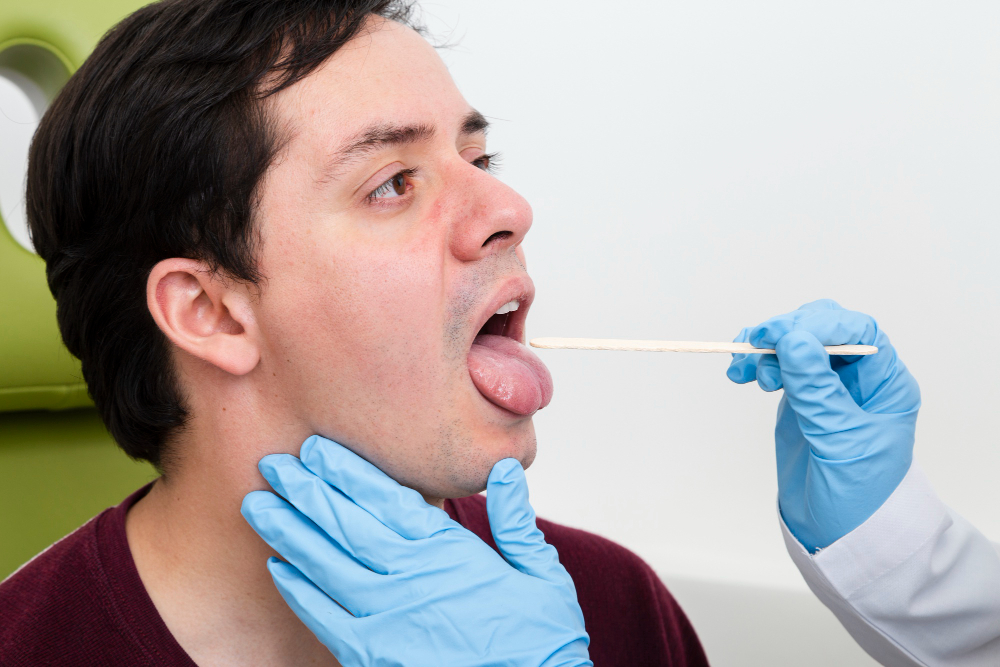
If you have mouth lesions that do not heal, your dentist may suspect Oral Lichen Planus. To confirm the diagnosis, several steps are usually taken. First, your dentist will look inside your mouth and ask about your symptoms. Next, they may:
Sometimes, special stains or tests are used to make sure the diagnosis is correct. Early diagnosis helps prevent complications and guides the best treatment plan.
Treatment Options
There is no cure for Oral Lichen Planus, but treatment can control symptoms. Your dentist will choose the best option based on your needs. Common Oral Lichen Planus treatment options include:
In some cases, your dentist may suggest changing medications if they think a drug is causing your symptoms. Most people see improvement with proper care, but follow-up is important.
Lifestyle Tips and Prevention
While you cannot always prevent Oral Lichen Planus, some steps can help manage symptoms and lower your risk of flare-ups. For example:
Additionally, keeping your mouth clean and healthy can help prevent infections and other problems.
When to See a Dentist
If you notice unusual changes in your mouth, such as white patches, sores, or pain that does not go away, it is time to see a dentist. Early treatment can prevent complications and help you feel better sooner. Remember, regular dental visits are key for good oral health.
If you notice unusual changes in your mouth, consult a dentist for personalized advice.