
Introduction
Orthodontic restoration is a way to fix and improve teeth alignment. It helps people get a healthy and beautiful smile. Good dental health is important for eating, speaking, and feeling confident. When teeth are not straight, it can cause problems. For this reason, orthodontic restoration is often needed. According to the World Health Organization (WHO), healthy teeth are key for overall well-being. In this blog, you will learn why orthodontic restoration matters and how it helps your dental health.
Symptoms and Signs That May Require Orthodontic Restoration
Sometimes, you may notice signs that show you need orthodontic restoration. Early attention can prevent bigger problems. Look for these symptoms:
If you notice any of these signs, it is wise to see a dental specialist. Early treatment can make a big difference.
Common Causes and Risk Factors
Many things can lead to the need for orthodontic restoration. Some causes are natural, while others develop over time. Here are common reasons:
Because some risk factors can be controlled, good dental habits are important. However, some people may still need orthodontic restoration due to genetics.
Diagnosis and Evaluation Process
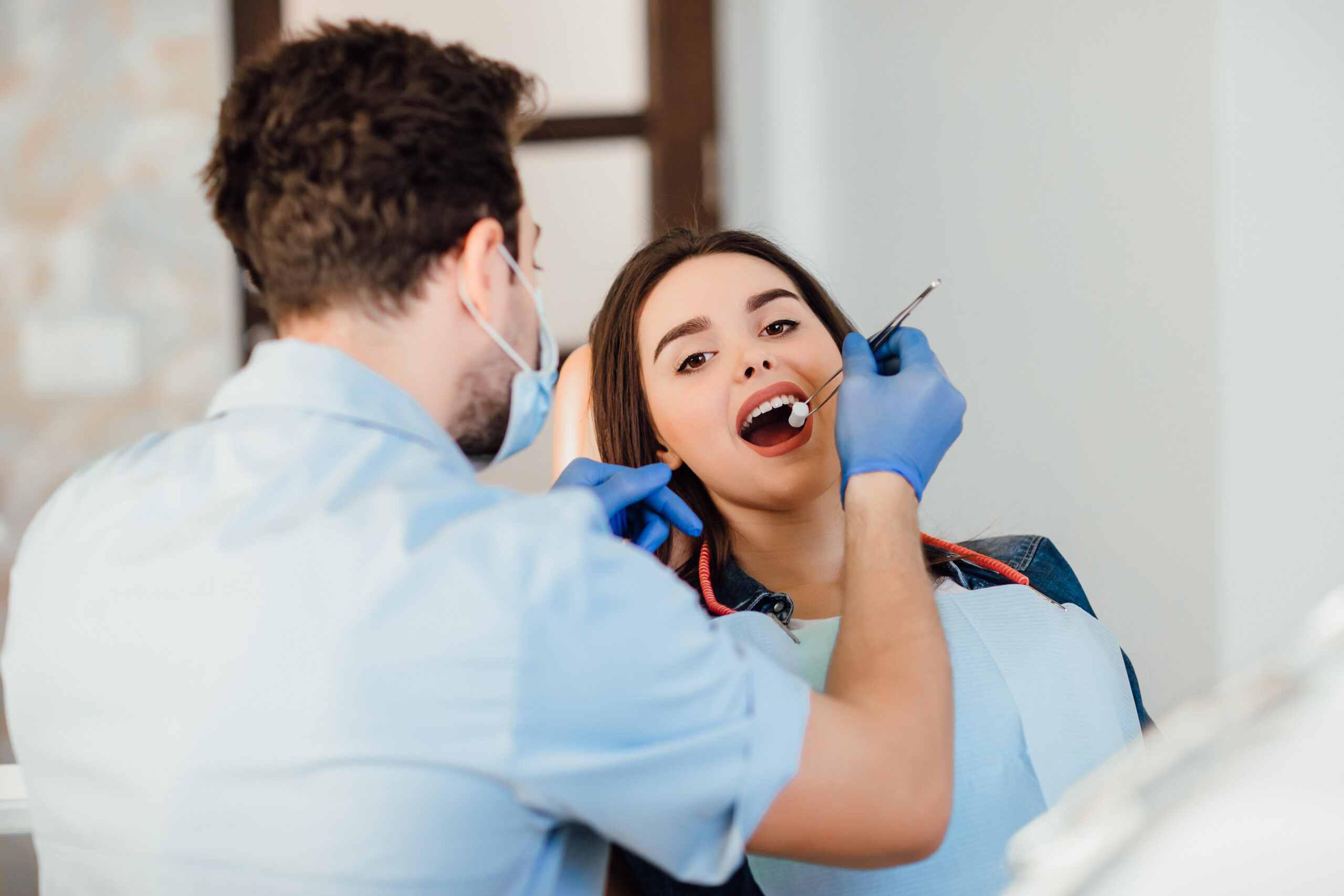
When you visit a dental specialist, they will check your teeth and mouth. First, they will ask about your dental history. Next, they will look at your teeth, bite, and jaw movement. Often, X-rays or digital scans are used to see the teeth and bones clearly. Sometimes, photos or molds of your teeth are taken. After the evaluation, the dentist will explain if orthodontic restoration is needed. This process helps create a treatment plan that fits your needs.
Treatment Options
There are several orthodontic restoration methods. Your dentist will suggest the best one for you. Common options include:
Each method has its own care steps. For example, braces care tips include brushing after every meal and avoiding sticky foods. Your dentist will guide you through the process.
Lifestyle Guidance and Aftercare Tips
After orthodontic restoration, caring for your teeth is very important. Good habits help keep your smile healthy. Here are some helpful tips:
Because aftercare is key, always ask your dentist if you have questions about your routine.
Prevention Strategies for Maintaining Dental Health After Restoration
Once your orthodontic restoration is complete, you will want to keep your teeth healthy. Here are some ways to maintain dental health after orthodontic treatment:
With these steps, you can enjoy a healthy smile for years to come.
Conclusion
Orthodontic restoration can greatly improve your dental health and confidence. Early signs should not be ignored. Because every smile is unique, treatment plans are different for each person. Consult a dental specialist for personalized advice. Your journey to a healthy smile starts with the right care.